STARTUP
How Building Caredose Shaped Kinshuk Kocher's Healthcare Investment Philosophy
Kinshuk Kocher’s experience building Caredose shaped a healthcare investment philosophy centred on understanding patients, clinical workflows, and real-world problems before evaluating technology and innovation.
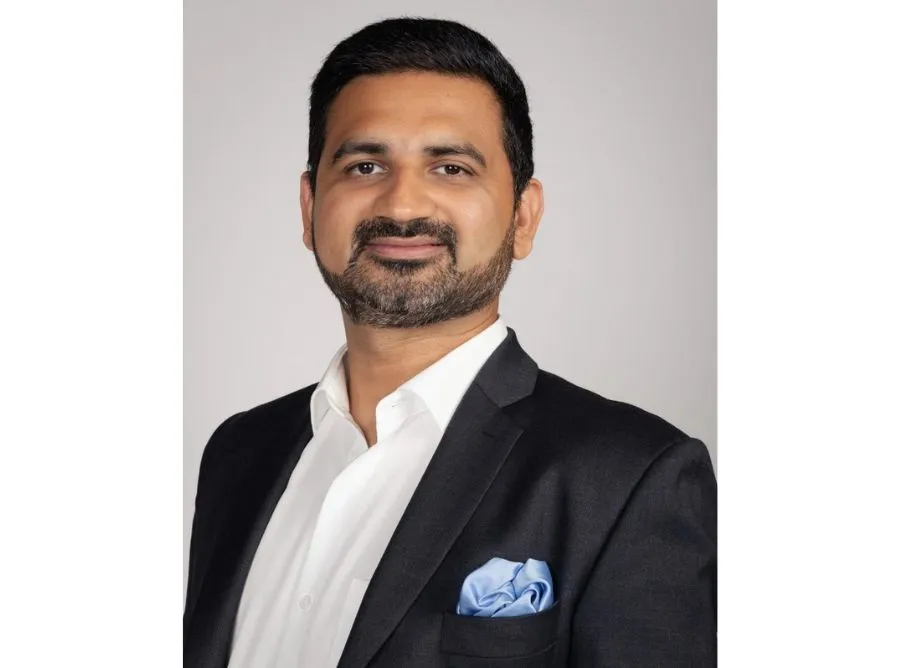
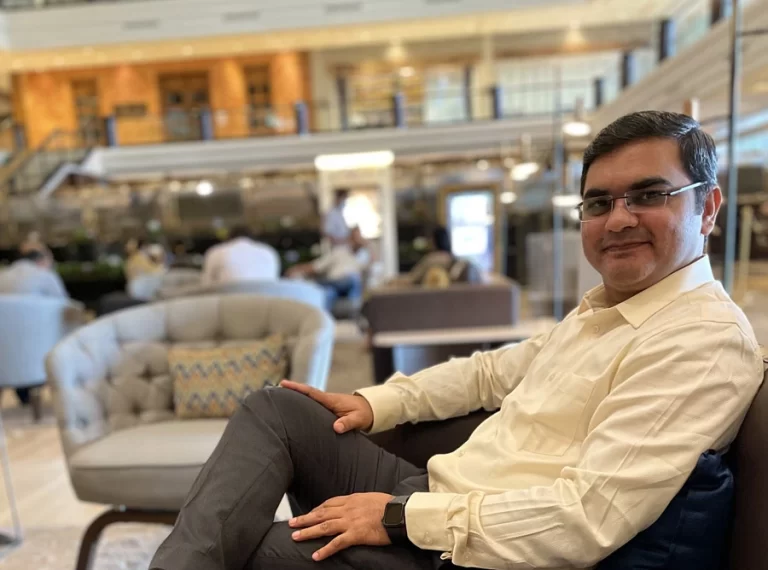
Kinshuk Kocher, Co- Founder, Caredose
Most venture investors develop their investment philosophy by observing companies from across the table. Kinshuk Kocher's perspective was shaped differently. Before evaluating healthcare startups, he spent four years building one, navigating the realities of patients, providers, pharmacies and healthcare systems firsthand.
Today, as Director of Investment Operations and Special Projects at Cedars-Sinai Technology Ventures (CSTV) in Los Angeles, Kocher has evaluated more than 500 health-tech companies through the Cedars-Sinai Accelerator+ and contributed to over US$20 million in institutional investments across more than ten portfolio companies. Yet, the principles that guide his investment decisions were formed long before he became an investor. They were developed while building Caredose, a company focused on solving one of healthcare's most persistent operational challenges: medication adherence.
Learning From Building, Not Just Observing
When Kocher co-founded Caredose in 2017, the team focused on a challenge that affects healthcare systems across the world. Patients with chronic conditions are often prescribed multiple medicines that must be taken at different times each day. Despite receiving the right prescriptions, many struggle to follow their treatment consistently because medication schedules become difficult to manage, instructions are confusing or caregivers are left coordinating multiple prescriptions without a structured system.
Rather than approaching the problem through technology alone, the team began by understanding how medication management actually worked in everyday practice. They spent time with pharmacies, healthcare providers, patients and caregivers, observing where treatment plans became difficult to follow and where existing systems created unnecessary complexity.
Those insights shaped Caredose's approach. The company simplified medication management through organised, dose-wise packaging and structured dispensing processes that made treatment easier for patients while supporting pharmacy workflows. Over the next four years, Caredose managed more than one million medicine doses across India, improved medication adherence from below 50 per cent to above 80 per cent among provider partners, built integrations with Apollo Pharmacy and Max Hospitals, and collaborated with organisations including the World Health Organization (WHO), USAID and the Gates Foundation.
For Kocher, however, the most valuable outcome was not simply building a successful company. It was understanding how quickly assumptions change once a solution meets real clinical environments.
"Building Caredose taught me that healthcare innovation succeeds or fails long before technology becomes the deciding factor," says Kocher. "You have to understand how patients, providers, pharmacists and caregivers actually interact with the system. Without that understanding, even the strongest technology struggles to create meaningful impact."
A Philosophy Built Through Experience
After Caredose's successful exit, Kocher moved into a senior digital health role at GSK before joining Cedars-Sinai Technology Ventures. While his responsibilities shifted from building healthcare products to evaluating them, the questions he asks founders today remain remarkably similar to the ones he encountered as an entrepreneur.
Rather than looking only at the sophistication of a technology, Kocher pays close attention to how deeply founders understand the clinical problem they are trying to solve. He looks for evidence that teams have spent time inside hospitals, pharmacies and healthcare settings, observing how care is delivered rather than relying solely on assumptions or market research.
Experience has also reinforced another important lesson. Healthcare adoption depends on much more than product quality. Clinical workflows, provider trust, operational realities and patient behaviour all influence whether a promising technology becomes part of everyday care. Companies that recognise these factors early are often better positioned to move beyond pilots and create lasting impact.
"The strongest founders usually have a detailed understanding of the environment they're building for," he says. "They know where existing processes break down, they understand the practical challenges faced by clinicians and patients, and they've designed their products around those realities rather than expecting the healthcare system to adapt to them."
Looking Beyond the Technology
Working within one of the United States' leading academic health systems has further strengthened Kocher's belief that successful healthcare innovation requires more than technical excellence. Every year, numerous startups introduce impressive technologies, but long-term adoption depends on whether those solutions fit naturally into existing systems of care.
That perspective is particularly relevant as artificial intelligence reshapes healthcare innovation. Kocher believes AI will continue to improve clinical decision-making, operational efficiency and patient care. However, technology should strengthen a well-understood solution rather than become the starting point.
Founders who begin by understanding patients, providers and clinical workflows are far more likely to build products that healthcare organisations can successfully adopt. Those who begin with technology before fully understanding the problem often face a much more difficult path to implementation.
For Kocher, this philosophy has remained remarkably consistent from his time at Caredose to his work evaluating startups today. The technologies may continue to evolve, but the foundation of successful healthcare innovation remains unchanged.
The most valuable healthcare companies are rarely those with the most sophisticated technology alone. They are the ones built on a deep understanding of the people they are trying to serve, because lasting innovation begins with solving real problems before introducing new technology.
About Kinshuk Kocher
Kinshuk Kocher is Director of Investment Operations & Special Projects at Cedars-Sinai Technology Ventures in Los Angeles. He previously co-founded Caredose, a MedTech company focused on improving medication adherence for patients with chronic conditions. He holds an MBA from the University of Oxford.