FEATURED ARTICLES
How to Shoot a Movie in Prague? Costs, Crews, Locations, Equipment and Production Resources
Film producer Steve Reverand explains why Prague attracts international filmmakers, covering production costs, local crews, locations, equipment, incentives and practical resources for shoots across different budgets.
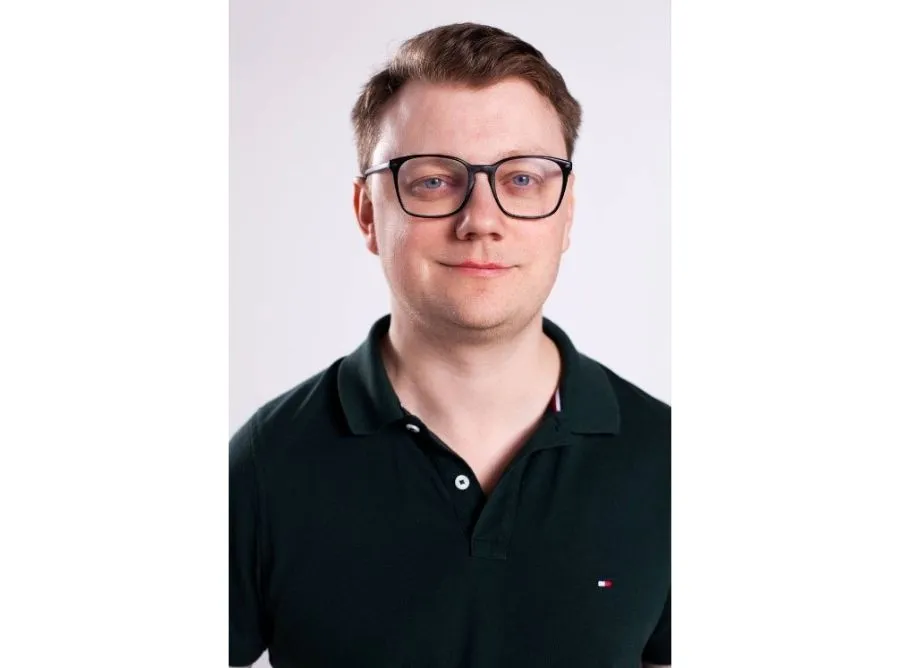
Steve Reverand,Film Producer
Steve Reverand is a French-born film producer from Lyon, now based in Prague. After studying multimedia in Canada and England, he graduated from Prague Film School in 2005. He has been part of the school since 2006, first as a project manager and post-production instructor and today as co-director, where he teaches film production and business.
In 2012 he co-founded The LAB with producer Martin Raiman. The company develops, produces and finishes films and commercials as a one-stop shop, from concept development to high-end post-production. Its clients include Giorgio Armani, Danone, Gentle Monster, Jaguar, Pilsner Urquell and Rusty Lake.
As a producer, Steve focuses on European hybrid-genre narratives with a niche worldwide audience. His shorts include Kaveh Daneshmand's Occasional Showers, named Best Short Film by the Iranian Society of Film Critics in 2016, and Nicole Goode's Supine, a Silver Méliès winner in 2019. He co-produced the transmedia project Rusty Lake: Paradox, which has passed 8 million views on YouTube. In 2020 he produced his first feature, Gem Deger's Playdurizm, which won the Best Feature Jury Prize at the Lausanne Underground Film Festival and the Best Narrative Feature Jury Prize at the Calgary Underground Film Festival.
Through The LAB he has worked on international co-productions with partners in France, Italy and Armenia, and provides production and post-production services to international projects.
1. What makes Prague an attractive destination for international filmmakers today? How does it compare with other European filming destinations in terms of production costs, infrastructure, locations and accessibility?
Honestly, it's the combination, not any single thing. Start with location: Prague sits in the middle of the continent, so most European capitals are a short flight away, and London is only about two hours by air. The city has also become very international. Prague has counted more than 354,000 foreigners living here in 2024, up from about 61,000 in 2001, and there are international schools, so talent who stay for a long shoot can bring their families and put their children in school. It's also extremely safe. The Czech Republic ranked 11th in the 2025 Global Peace Index, and a 2023 study named Prague the safest city in Europe for travelers.
Then there's the production side. Prague works because almost everything a production needs sits in one compact, safe, well-connected city, and you can hire nearly all of it locally. You get a 25% cash rebate on eligible Czech spend, 18 sound stages at Barrandov after two new ones opened this summer, a crew base that has served international shoots for decades, and a historic center that can pass for three or four different European cities. A lot of productions arrive with a director, the leads and a handful of key people, and fill the rest on the ground. Most of the large international production mention the rebate and the depth of the local crew as the two reasons they came. The Czech audiovisual industry turned over roughly 450 million euros in 2025, and foreign productions were about 265 million of that, up around 20%.
Against our neighbors, I'd be straightforward. Hungary's headline rebate is higher, 30%, and it has no minimum spend or per-project cap. Croatia and Serbia sit in a similar range. So Prague isn't winning on the percentage alone. It wins on continuity: stages, rental houses, post and crew in the same city, and a look that's hard to fake. People usually quote Prague at 30% to 50% below London or Paris, which I'd treat as a rule of thumb. But I'll be honest that the city gets more expensive every year, so that gap is narrowing.
2. What does it actually cost to shoot a film in Prague? Could you outline the major expenses involved, from location permits and crew salaries to equipment rentals, accommodation and post-production?
There isn't one Prague price, but the structure is predictable, and a handful of numbers are worth knowing. For practical reasons I'll quote euros, but the local currency is the Czech crown, and most invoices will be in crowns, at roughly 25 to the euro.
I'd start with how crews work here, because it shapes the budget. There are no film unions, so there's no fixed scale. Rates are negotiated person by person. Crew are freelancers who cover their own insurance and pensions, so you're not carrying payroll on-costs. A normal day is 12 hours including a meal, in a five or six day week, and weekends or nights aren't paid at a premium; people get time off instead. Overtime starts after the twelfth hour and climbs fast, from roughly 30 to 40 euros for the thirteenth hour up to 60 to 80 euros by the sixteenth.
Locations are the other line people ask about. In the city's rental schedule I know, a small street shoot under 300 square meters costs less than 40 euro-cents per square meter per day. The famous spots are different: Old Town Square is about 7,200 euros per shooting day, and Charles Bridge is about 10,000, with another 10,000 charged by Prague 1. So you design around those.
Post-production is a strong point. There are many post houses in the city, including UPP, the biggest one. They can serve a project while it's being produced here, with VFX supervision on set and data management, so your footage is handled properly from day one. A prime color suite at roughly 1,200 to 2,500 euros a day, around 20 to 40% below London. Stages, equipment and cast are quote-based. And as an illustration of the incentive, if you spend 1.6 million euros on qualifying Czech costs, you'd get roughly 400,000 back, before any audit adjustments.
For micro-budget production and student productions, budgets live on a different scale. At Prague Film School, our students' real costs are locations, actors, catering and transport, and the expensive hot spots are simply off the table, so we teach them to find quieter doubles.
3. How accessible is Prague for international filmmakers working with different budgets? Can independent filmmakers and smaller production houses realistically shoot there, or is the city better suited to large-scale productions?
Yes, independents can shoot here, Prague isn't only for studio shows. Small shoots are priced gently, crews are freelance and flexible, and you can negotiate. The national rebate has a minimum Czech spend, about 720,000 euros for a feature, so a micro-budget film shouldn't count on it. But that doesn't mean it can't shoot here. Plenty of independent films do.
A good example is Till Love Do Us Part, a Chinese feature made between China and the Czech Republic, and produced and directed by Ran Li, one of our alumni at Prague Film School. It shot 22 days in the Czech Republic in the fall of 2020 and premiered at the Warsaw Film Festival in 2022. It was made on an indie budget, yet with a lot of planning and negotiation they got the equipment, crew and locations they wanted.
That matches my experience. I consider the Czech Republic a very art- and film-friendly country, where people are open to supporting artists no matter their budget limitations. You just need to involve them ahead of time, come prepared, and work around their schedule and business priorities.
One practical note. The state budget for the audiovisual fund is voted on every year, and the rules can change quickly, so it's important to consult a local producer before you count on any incentive.
From the opposite end of the spectrum, at Prague Film School, none of the thresholds apply to students, because they sit far below them. What matters for them is footprint and permits. A handheld street shoot under 300 square meters is a completely different administrative case from closing a street. The school provides professional camera, lighting and sound equipment, as well as cast and crew, so their real costs are locations, props, costumes and logistics.
4. What production resources does Prague offer to international filmmakers? How easy is it to find experienced local crews, cinematographers, production designers, technicians, equipment rental companies and post-production facilities?
Foreign productions often arrive with a director, the leads and a few key people, and hire everything else here, including whole departments: production design, costume, camera.
On stages, there's a ladder depending on your budget. For big productions you have Barrandov Studios, which now has 18 stages, and Prague Studios, which has several stages and is building more. When those are full, or when you're working on an independent budget, there are more approachable soundstages, such as Pokrok Studios and D1 Studios. Barrandov Studios also holds one of the largest collection of props and costumes, Barrandov Fundus, which remain very affordable for indie and student crews.
Rental follows the same pattern. At the top end you have ARRI Rental and Panavision Prague, which sits right on the Barrandov lot, plus Vantage Film Prague and Michael Samuelson Lighting. For lower budgets there are smaller houses like BioFilms, which rents to production companies and to students as well.
For post and sound, UPP handles VFX and on-set data, and for sound you have established names like Soundsquare and Beep, and more indie-friendly studios like Sype Studios. There are also stunt crews, choreographers, practical special effect companies and Czech-registered drone operators who already know the permit process.
The caveat is demand. In 2025 and 2026 the same pool served Blade Runner 2099, The Age of Innocence, Foundation and a Scorsese feature, so when several big shows overlap, the best people book out early. I'd lock heads of department as soon as the script and dates are firm. The Czech Film Commission directory is the best starting point, and it also supports 13 regional film offices for shoots outside Prague.
Film students work right in the middle of this ecosystem. Prague Film School is an ARRI Certified Film School, so the training matches the kit they'll meet on visiting productions, and our graduates are English-speaking junior crew with current camera knowledge, often getting work on larger productions.
5. How versatile are Prague's filming locations? Can the city's architecture, historic streets and surrounding landscapes convincingly double for other European cities or different historical periods, helping productions avoid the cost of traveling to multiple locations?
Prague can double for most of continental Europe from the 1700s to the 1940s. The architecture runs from Romanesque and Gothic through Baroque, Art Nouveau and modern, all within a few kilometers. Amadeus used Old Town and Malá Strana as 18th-century Vienna. From Hell turned the city into Victorian London, and Barrandov built the London of Oliver Twist. The Gray Man used Prague as Bangkok, Baku, Vienna and Berlin, and the production designer said some of the rooftop chase blends places you couldn't find if you went looking. That's the real advantage: you can build a composite city.
My advice to filmmakers is to research a little what the country and the city actually offer in natural landscape and architecture before they commit. We're a landlocked country with a temperate climate, so it's not the place to shoot at sea, on a beach or in a jungle, unless you build it on a soundstage or use virtual production. But for urban settings, you can recreate practically any city in Prague with a careful combination of foreground elements and a green screen backdrop.
The interesting counter-example are the Indian productions. Rockstar, shot in 2010, and Jab Harry Met Sejal, shot in 2016, both used Prague as Prague. Rockstar spent 31 days in the Czech Republic, including a musical number at the State Opera. Jab Harry Met Sejal used the Castle Gardens, Kampa and the train stations. So the city works both ways, as a double and as itself.
Beyond Prague, you can cross the country in about six hours by road. Liberec was a second base for The Age of Innocence and Spider-Man: Far From Home, and Rockstar also went to Karlštejn and Sychrov.
6. What permits and administrative approvals are required to shoot a film in Prague? How straightforward is the process for international productions, and what should filmmakers know about location restrictions, public spaces and filming schedules?
There's no national film permit. Permits come from the city and district level, in Czech, and your local partner normally files them. That surprises people. In Prague you typically need a permit from each district you shoot in, with Prague 1, 2 and 3 being the central ones, and most productions also need a permit from the city's roads authority, TSK. In Prague 1 the application is in Czech and includes a map of the location. Charles Bridge, Old Town Square, Wenceslas Square and all the city parks come with special conditions and fees.
Two practical points from Prague 1. They try to leave at least a month between shoots at the same location, and they expect larger productions to arrange replacement parking and inform residents. Residents do complain, so goodwill really matters.
Beyond that, drones need Civil Aviation Authority authorization, and a foreign-registered drone can take months, so use a Czech-registered operator. Child performers need a permit, parental consent and a doctor's approval, with strict hour limits. Private locations need the owner's agreement.
For international productions it's straightforward if you bring the local partner in early, and slow if you try to run it remotely. Ask your service company for current processing times, and plan in weeks, not days, for central locations.
At Prague Film School, small footprints are cheap. The real hurdle for students is Czech paperwork and lead time, so the earlier we file, the better. Luckily for them, the school’s production office is there to assist them throughout the entire process.
7. What financial incentives are available to foreign productions filming in the Czech Republic? How do film-production incentives, rebates or other support mechanisms affect the overall budget, and what eligibility conditions should producers understand?
The Czech Republic pays a 25% cash rebate on eligible Czech spend, plus 66% of the withholding tax paid on foreign cast and crew. For practical reasons I'll use euros here, but the local currency is the Czech crown. It's a rebate, not an upfront grant. You spend the money in the Czech Republic, an audit confirms it, and the Czech Audiovisual Fund pays you back. It's capped at about 18 million euros per project.
The conditions matter. You need a Czech service production company, because the forms, and the script and synopsis for the cultural test, are in Czech. There's a minimum Czech spend: about 720,000 euros for a feature, or about 300,000 euros per episode for a fiction series. Eligible costs are goods and services from Czech tax-registered suppliers, so local crew, stages, equipment, catering and post. The calculation base can't exceed 80% of the budget, total state aid can't exceed 50%, registration costs about 2,400 euros, and production has to start within six months of the decision.
The most important thing I tell producers is that the rules change quite regularly. The audiovisual fund's budget is voted by the state every year, and thresholds, rates and even how registration works can shift, so I would always check the current terms with a Czech producer before building a budget around the rebate. I also wouldn't treat it as financing until it's confirmed.
8. How does a foreign production go about hiring local talent and crews in Prague? Are there language barriers, union or labor requirements, visa considerations, or other practical challenges that international producers should plan for?
You hire through a Czech service production company. There are no unions, so rates are negotiated, and the main practical issues are visas for non-EU crew and withholding tax. The service company assembles the department heads and teams, files permits and handles contracts, and it's also the applicant for the incentive. Crews are freelancers on negotiated rates, with a 12-hour day, a defined overtime ladder, a ten-hour turnaround and meal penalties. If you shoot outside Prague, travel time counts as working time. A foreign team used to different norms should get a short briefing before prep starts.
On language, permits and incentive paperwork are in Czech, but international shoots typically run in English at department level. The Indian productions are a nice picture of a blended crew. Rockstar had about 70 Indian crew working with 60 Czech professionals, and Jab Harry Met Sejal had 150 staff, 90 of them Czech.
Casting for Indian productions has also become easier. The Indian expat community in Prague is one of the fastest growing right now, with estimates rising from roughly 5,000 to 6,000 people in 2022 to about 12,000 by late 2026. That makes it easier to find Indian actors and extras locally than it was ten years ago.
Visas depend on nationality. EU, EEA and Swiss citizens move freely. Americans, Brits, Canadians and Australians can enter without a visa for up to three months, but Czech law requires a visa for paid work. For other non-EU crew working up to 90 days, the Czech guidance I've seen says a Schengen visa alone isn't enough, because there is a separate employment permit from the Labor Office. In practice, your service company or an immigration lawyer should confirm each case. And foreign cast and crew are subject to a 15% withholding tax on their Czech income, of which the incentive returns 66%.
Interesting to note: at Prague Film School, we've trained a real cohort of young Indian filmmakers, among them Raam Reddy, who won at Locarno with Thithi and took Jugnuma: The Fable to the Berlinale, cinematographer Jay Oza of Gully Boy, Shalini Ushadevi, who won Best Screenplay at India's National Film Awards for Soorarai Pottru, and Deep Metkar, who shot Pune Highway. So an Indian production coming to Prague can hire trained crew fresh from the school to fill junior positions, people who already know the city and how the local industry works.
9. What are the biggest logistical challenges filmmakers face when shooting in Prague? How do weather, seasonal demand, location availability, scheduling and coordination between international and local teams affect production timelines and budgets?
First, rules and timing. The state budget for the audiovisual fund is voted every year, so incentive rules can change quickly, which is why you want a local producer and shouldn't build your budget around a rebate you haven't confirmed. Second, capacity. When several big shows are shooting, stages and top crew get booked, and one Stillking executive (one of the most important production services companies in the country) described the main studios as always full. Third, central Prague. Prague 1 wants a month between shoots in the same spot, replacement parking and resident notices, and the fees at Charles Bridge and Old Town Square are very high.
Then the day-to-day. Working-time rules mean 12-hour days, overtime that escalates quickly, and travel time counting as work outside Prague. Drones, child performers and Czech-language permits all need lead time.
On weather, Prague gets roughly eight hours of daylight in late December and nearly seventeen in late June. Winters are cold, so either shoot exteriors in the long-light months or keep a studio cover set. I haven't seen published seasonal rate cards, so I'd ask about availability, not expect a discount. Big shows ran through the 2025 to 2026 winter, so winter isn't a quiet season.
Visas deserve their own warning. For non-EU crew and cast, the Czech foreign ministry says a Schengen visa decision normally takes about 15 days and can stretch to 45 in complex cases, and a work authorization is a separate step on top, with long-term permits running around 60 days or more. So I'd start at least two to three months ahead and confirm the real timeline with the consulate in each person's country.
On coordination, costs are in crowns, and only spend with Czech tax-registered suppliers counts for the rebate. If you do use the incentive, it also adds fixed milestones: production starts within six months, and ten shoot days follow within three months. A slipped greenlight can put a registration at risk, although you can apply for an extension.
10. For a filmmaker planning their first international shoot, what would a practical production roadmap for Prague look like? From choosing locations and building a budget to hiring a local production partner and managing post-production, what should be prioritized to keep the project on schedule and within budget?
Here's how I'd run it. First, read your script for its locations and work out what Prague can honestly match. Research the architecture and landscape the country offers, use the Film Commission's locations database, and test your hardest location early. Remember we're landlocked, so a beach, a sea or a jungle means a soundstage, green screen or virtual production.
Second, hire a Czech service production company early. They'll give you a top sheet quickly, handle permits and filings, and tell you what's realistic. Ask them what crew and cast you can source locally, and what you can bring from neighboring countries, since EU citizens can work across borders freely. That decision shapes both your budget and your schedule.
Third, build the budget in two columns: costs that are eligible in the Czech Republic, and everything else. Include overtime, the withholding tax on foreign cast, and some currency buffer. If your Czech spend clears roughly 720,000 euros for a feature, ask your partner about the rebate, but remember the rules change regularly, so don't finance the film against it until it's confirmed.
Fourth, start visas and permits early. Non-EU crew and cast can take months, location permits in central Prague take weeks, and stages and heads of department book out ahead of time. Hire with Czech working norms written into the contracts.
During the shoot, watch overtime daily and keep your invoices clean. For post, Prague makes sense if you shot here, with UPP and PFX for VFX, Soundsquare and Beep for sound, and smaller studios like The LAB or Sype for lower budgets. If you used the incentive, the fund audits your costs and then pays, and the film carries the Czech Audiovisual Fund credit.
11. How are streaming platforms influencing Prague's film production industry and international collaborations?
Look at who has been shooting here in the past year or so. Netflix filmed The Age of Innocence, is currently filming the adaptation of Dan Brown’s The Secret of Secrets, and its German arm made The Empress. Amazon MGM Studios shot Ride or Die and Blade Runner 2099, Apple has used Prague for Foundation, and Columbia Pictures brought Resident Evil. That kind of series and studio work is long, labor-intensive and stage-hungry. On Foundation season two, the Czech service company worked on the project for twelve months, employed more than 4,000 people and used LED volume technology. Shows like these can also occupy the big stages for months at a time, which is why other productions sometimes have to look for space elsewhere.
The second influence is policy. Since 2025 the Czech Audiovisual Act has required the streaming platforms operating here, including Netflix, Amazon and Disney+, to put 3.5% of their Czech revenue into Czech content, through a mix of a levy and direct investment. The state adds its own contribution on top, which has pushed the fund's yearly budget to around 2.4 billion crowns, roughly 95 million euros. The structure is in the law, but the state still votes on the fund's budget every year, so I'd always check the current position.
There is a negative side I see, though. In practice, the Czech Audiovisual Fund puts its support behind large, expensive productions, like the ones the big streamers bring, local production including short films, and a handful of European co-productions. That leaves a gap for independent non-EU productions, which could bring a much wider variety of films to the country. And streamer decisions can swing volumes quickly, so a healthy industry needs global work, strong local production and independent films together.
12. What opportunities does Prague offer emerging filmmakers and first-time international producers?
Let me be realistic about the money for independent productions. If we talk about financial support, the Czech Republic and Prague mostly support local emerging producers. International producers should rely mainly on local producers, who know how to source the cheapest and most efficient resources, whether that's crew, stages, equipment or locations.
The Czech Film Commission is a good first stop. It attends film festivals and markets around the world, and it promotes the country and assists all kinds of producers, from general to very specific inquiries. But ultimately, it will refer you to the Audiovisual Producers' Association or to its directory, so you can do your own research and outreach. My advice is to arrive with a short list of local producers and a clear brief.
Where Prague really shines is in shooting indie films on a budget. Small shoots are priced gently, crews are freelance and flexible, and the film community is open to supporting artists whatever their budget, as long as you involve people early and come prepared. I produced Playdurizm here, a debut feature that won the Best Feature Jury Prize at Lausanne and received international distribution. Till Love Do Us Part is the first feature of one of our alumni, shot partly in Prague with a Czech co-producer.
At Prague Film School, we have seen students leave with a network in the city, and some come back as producers, bringing their own projects with them.
13. How can Prague strengthen its position as a global filming destination over the next five years?
The most important thing is stability. Producers can live with almost any rule if it stays put long enough to plan around. The state budget for the audiovisual fund is voted on every year, and both the producers' association and the fund's own leadership talk about the need for stable, predictable conditions. Clear communication and longer-term certainty would be the single biggest gain.
Second, widen the door for independent productions. As I said, the fund's support goes mostly to large productions, local work and a few European co-productions, so independent non-EU films, which could bring much more variety, are largely left out. Prague already has what indies need: flexible crews, approachable stages and a supportive community, with local producers who know how to source the most efficient resources. A clearer path for newcomers, with the Film Commission and the producers' association helping connect them to local partners, would widen the pool.
Third, capacity and people. Barrandov has 18 stages, Prague Studios is adding four more and runs an LED volume stage, and there are other affordable virtual production studios such as D1 Studios. Keeping capacity ahead of demand would help when big streamer shows book out the main studios. The crew base is Prague's biggest asset, so training the next generation, through schools like ours matters as much as any rebate.
Fourth, make the city easier to shoot in. The city has agreed to work with producers on base camps with ready electrical connections, so crews can avoid diesel generators. A simpler permit process and a better balance with residents in Prague 1 would help, as would steering productions to the regions through the 13 regional film offices. It also has to stay competitive on value, because a few years ago smaller service jobs were already moving to cheaper countries.
Finally, new markets. Indian productions like Rockstar and Jab Harry Met Sejal showed what Prague can offer, and the Czech consulates around the world should never lose the momentum to try to promote filming in the Czech Republic to producers of series, films and commercials